Governing the Physical AI Transition
GTF’s research platform on Intelligent Cities, Robotics and the Physical AI Transition.
From South Korea to the world.
First meeting: September 9th, 2026. World Smart City Expo. Busan, South Korea.
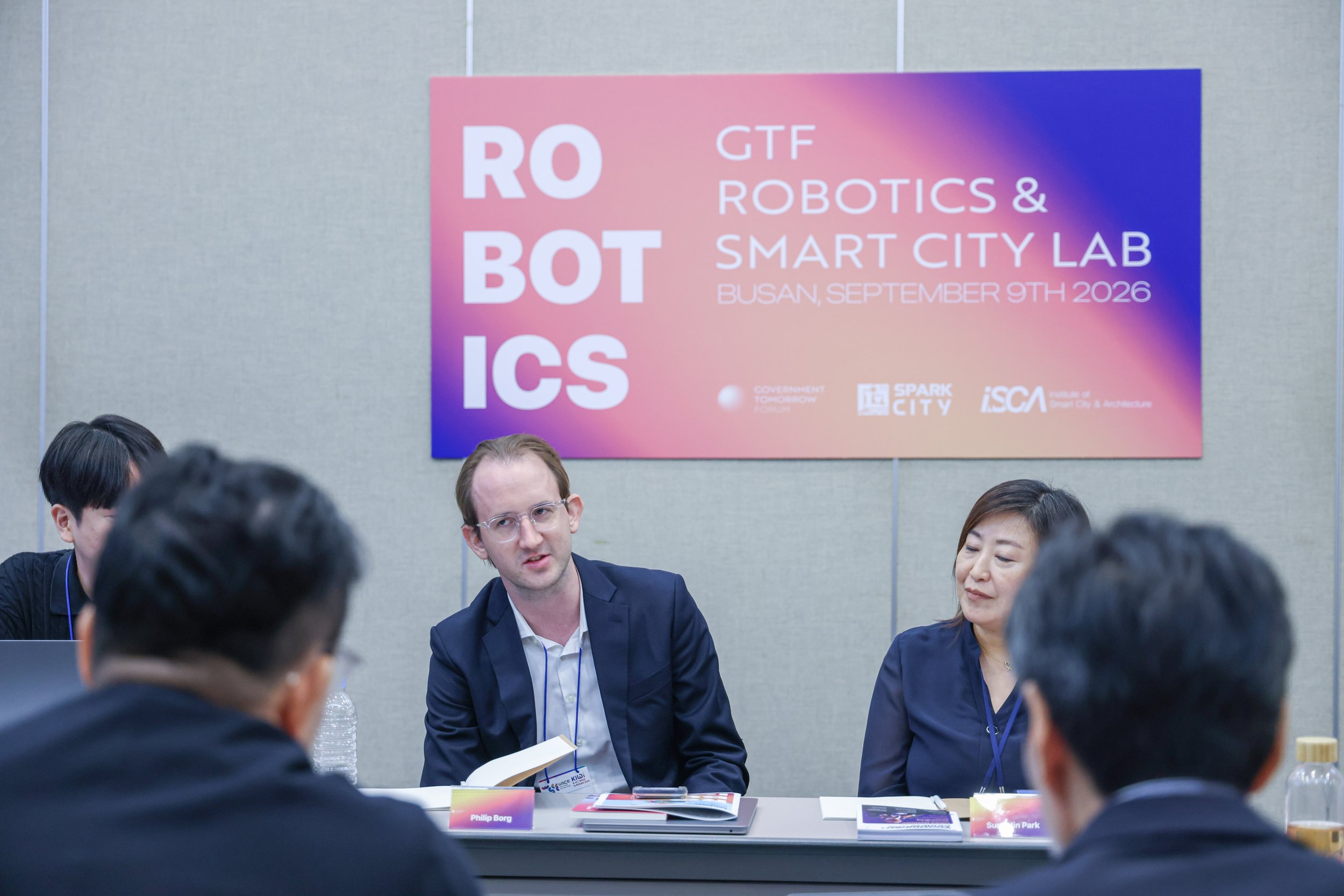
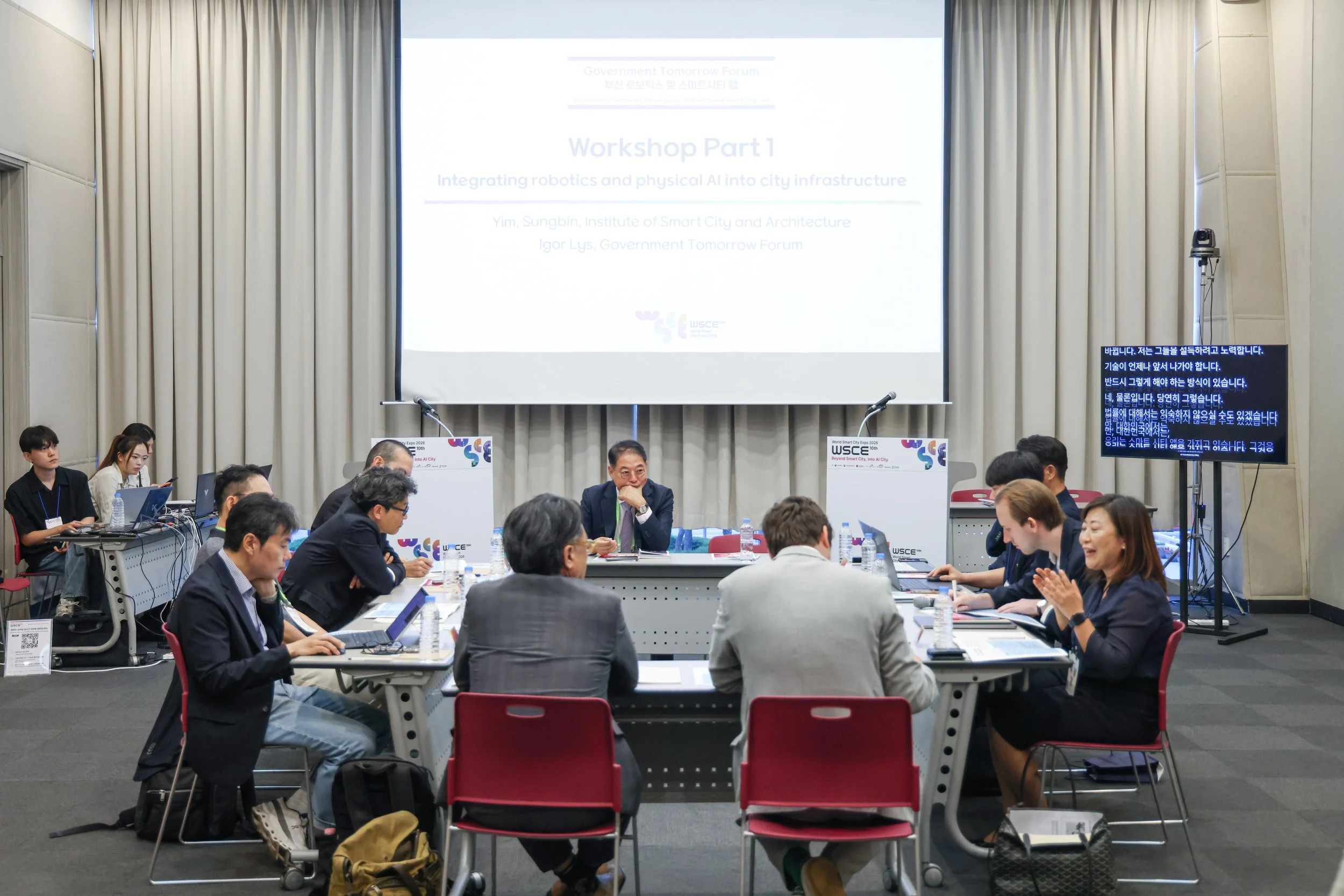
The first edition of the GTF Robotics Lab took place in South Korea during the World Smart City Expo.
Participants included robotics and smart-city specialists, urban planners, representatives of Korean institutions, international experts and practitioners involved in the development of projects such as Sejong Smart City and Seoul’s emerging Physical AI ecosystem.
Rather than asking only what robots will be capable of, the discussion focused on a harder question:
What needs to change in government and in cities before robots can become a normal, useful and trusted part of everyday life?
Artificial intelligence is leaving the screen.
Robots, autonomous vehicles, intelligent logistics systems, and other forms of physical AI are beginning to reshape how cities function, how services are delivered, and how people interact with technology in everyday life.
The GTF Robotics Lab explores one central question:
How can governments make cities ready for physical AI — culturally, institutionally, spatially, and regulatorily — while ensuring that robotics expands human capability rather than simply technological complexity?
The Lab brings together policymakers, urban planners, robotics specialists, researchers, businesses and international experts to identify practical solutions for the next generation of cities.
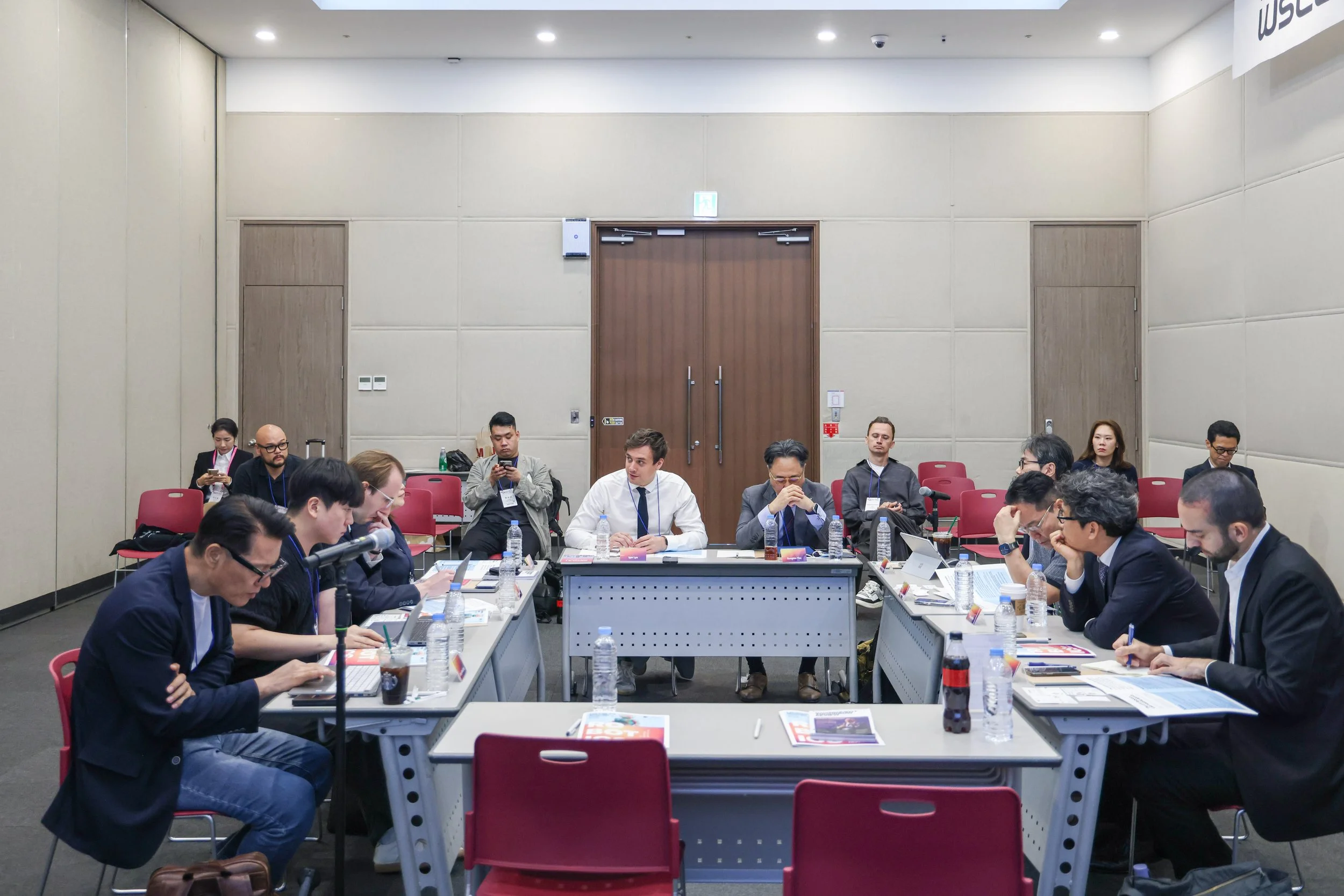
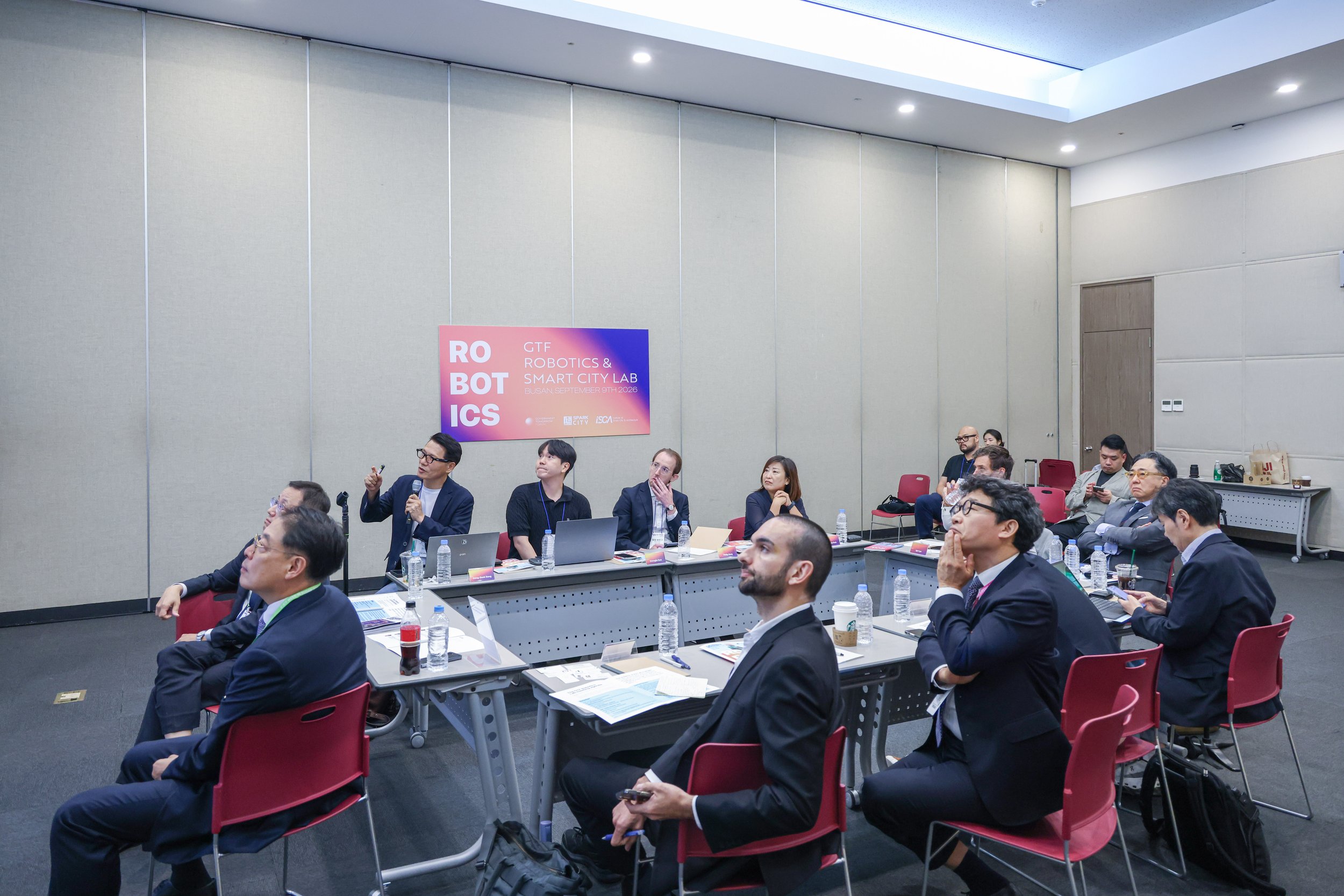
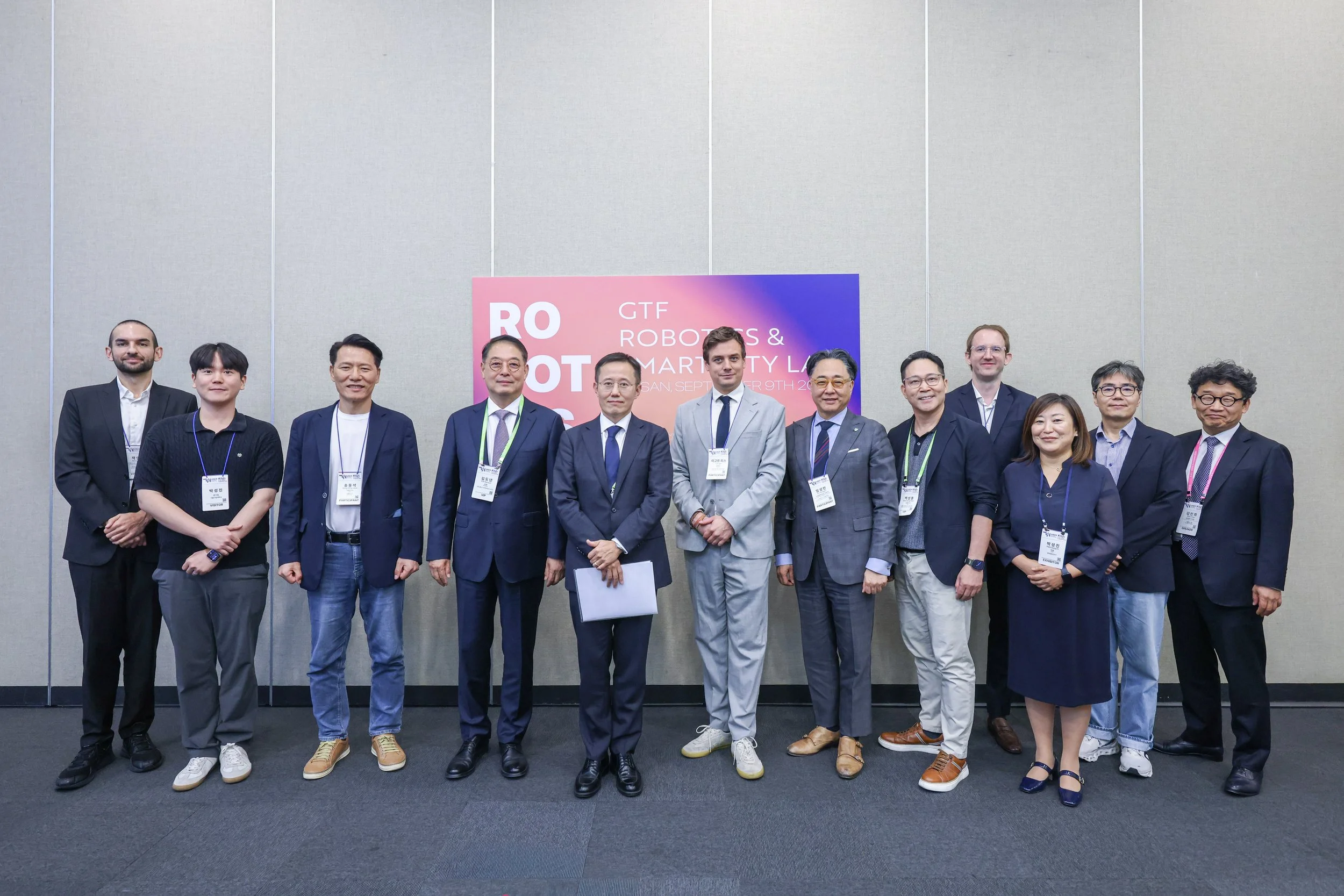
The First Meeting’s key takeaways
The meeting explored cultural attitudes toward technological change, regulatory sandboxes, urban planning, public acceptance, autonomous mobility, neighborhood-level deployment, institutional capacity and the transition from experimental robotics pilots to sustainable public services.
Kindness Towards New Things
Technological adoption depends not only on infrastructure or regulation, but on whether societies are culturally prepared to accept novelty.
The Neighborhood as the Scale of Physical AI
Many of the most meaningful robotics applications may emerge at neighborhood level, where technology directly affects mobility, logistics, care and everyday services.
Robots as Infrastructure for People
The strongest applications of physical AI may not be those that imitate humans, but those that expand human autonomy, capability and time.
The AI City Needs a Conductor
Urban planners, technologists, regulators and public-service leaders increasingly need an integrating function capable of connecting separate institutional worlds.
Urban Planning as an Innovation Tool
Planning can do more than regulate development. It can create predictable environments where robotics and intelligent systems can be tested, financed and deployed.
A Demo Is Not a Deployment
Successful robotics demonstrations do not automatically translate into sustainable urban services. Real deployment requires infrastructure, regulation, business models, operational data and public acceptance.
Research Agenda
The Korea meeting launched a broader international research process. The GTF Robotics Lab will now examine:
how governments can build societal readiness for physical AI;
what institutional capabilities are required to govern robotics;
how cities should design robot-ready neighborhoods;
how regulatory sandboxes can become mechanisms for continuous learning;
how to move from robotics pilots to scalable urban services;
how robots, autonomous vehicles, digital twins and city systems may converge by 2030;
and which elements of Korea’s robotics and smart-city experience can be adapted internationally.